

DAR.SIRR
MOROCCAN SUFISM BY EL HASSANE DEBBARH
I return today with DAR.SIRR as a writer who has chosen responsibility over immediacy, silence over repetition, and depth over visibility. This space gathers more than ten years of retreat, research, field immersion, and intellectual maturation. It is not the continuation of a project, but the articulation of a position. I am Mawlay El Hassane Debbarh, born in Fez, descending from the Idrissid House through the ancient al-Dabbagh lineage. Lineage, for me, is not a claim to authority but a burden of continuity: an obligation to think rigorously, to write carefully, and to confront Moroccan history where spirituality, power, and genealogy have always been entangled. DAR.SIRR emerges from this responsibility.
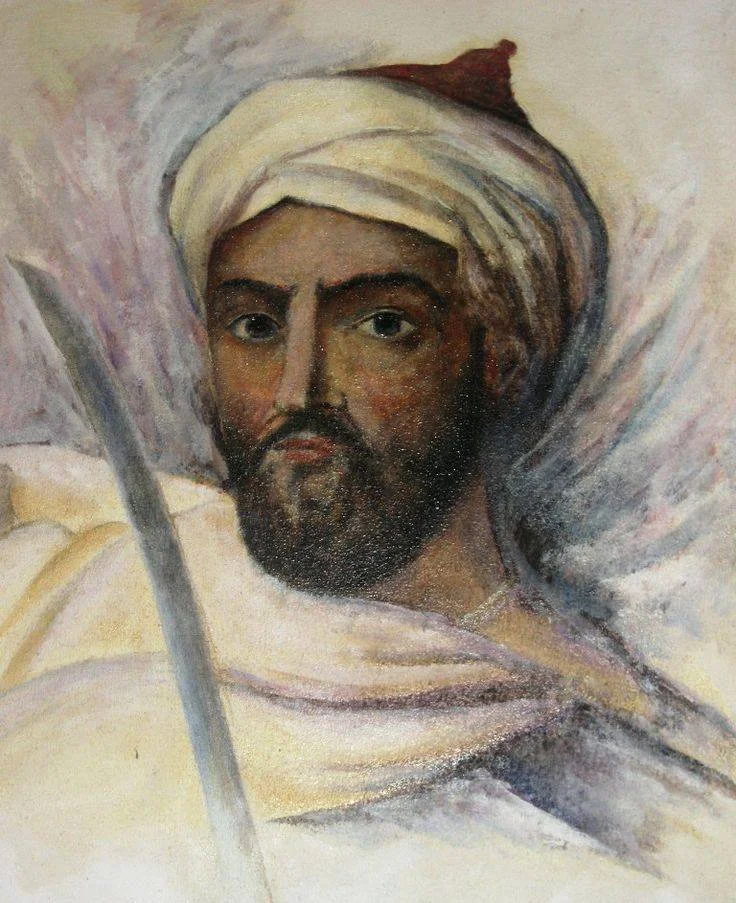
In Moroccan Sufism, sainthood often appears in paired form. In the 7th/13th century, Ibn Mashīsh (d. 622/1225) stands with al-Shādhilī (d. 656/1258); five centuries later, al-Dabbāgh (d. 1132/1720) stands with al-Sijilmāsī (d. 1156/1743). Each pair repeats the same structure: a “hidden” Moroccan quṭb—sharīf, socially marginal, and cast as unlettered—whose authority rests on wilāya and Muhammadan wirātha, alongside a trained jurist-scholar who renders that experience into discourse, liturgy, and institutional memory…
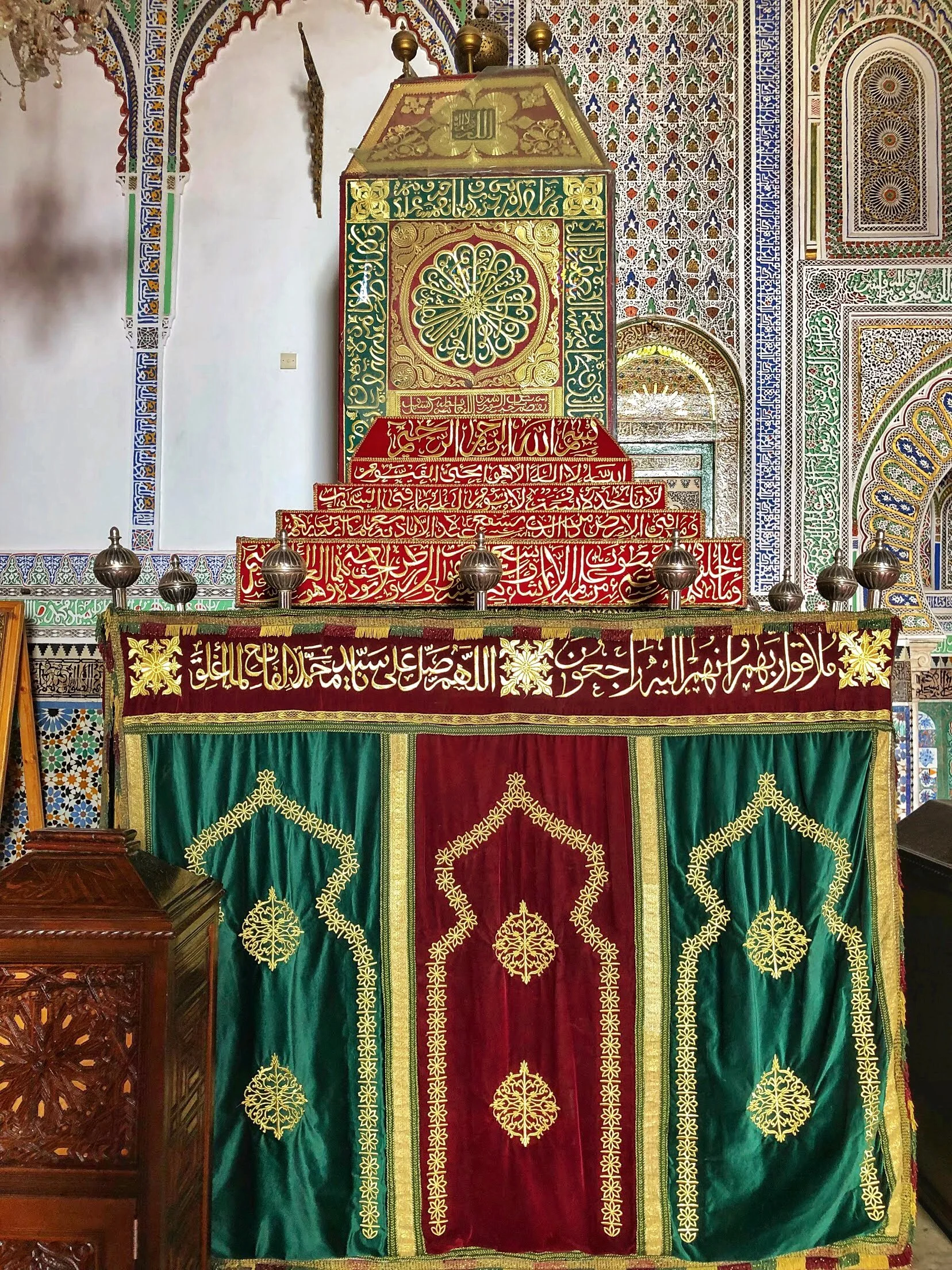
Long before Mawlāy Idrīs crossed the mountains into Walīlī (Volubilis), Morocco was already an ancient and self-conscious civilization. To the Greeks, it was the land of the Mauroi; to the Romans, it was Mauretania Tingitana, a kingdom whose rulers negotiated with emperors and whose cavalry rode in distant provinces from Britannia to Syria. The celebrated Juba II—scholar, geographer, and philosopher—reigned here with his queen Cleopatra Selene, daughter of Egypt’s last pharaoh. Their capital at Volubilis stood as one of the great cities of the Mediterranean world, where Roman administration, local Moorish culture, and Hellenistic learning blended into a uniquely Moroccan synthesis. Across the plains and coastal zones, cities like Sala, Tingis, and Tamuda flourished with commerce, agriculture, stone architecture, and maritime trade. Christianity spread early through these regions; bishops and monastic communities became part of the Moroccan landscape. Even the Canary Islands lay within Morocco’s maritime sphere, confirming that this was not a marginal land but a sovereign world with deep cultural roots…
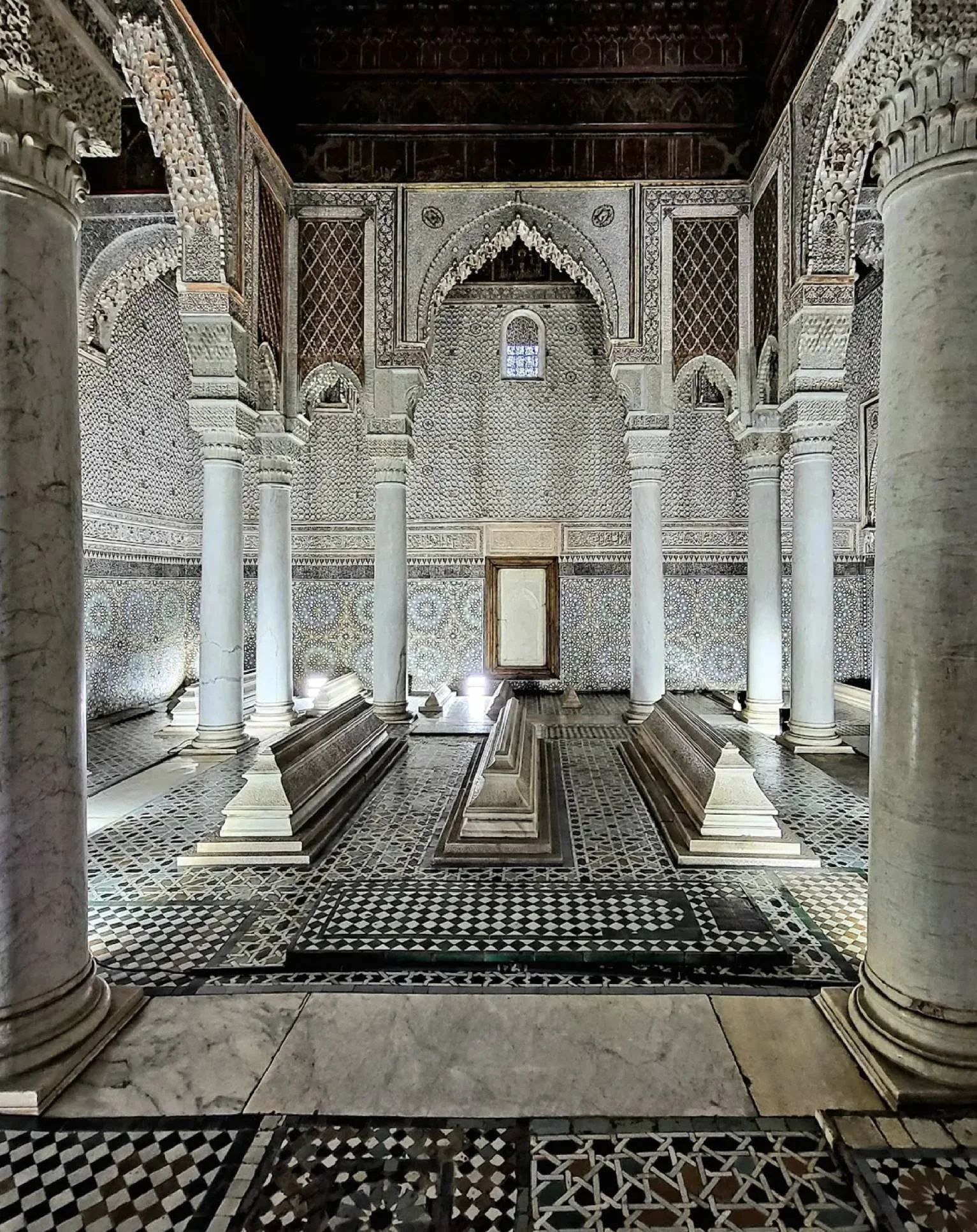
In the 13th/19th century, the Fāsī scholar and mystic Muḥammad ibn ʿAbd al-Ḥadīdh al-Dabbāgh (d. 1291/1874), known as Abū Ṭarbūsh, reported a vision that crystallized his family's self-understanding. As recorded by ʿAbd al-Ḥayy al-Kattānī in al-Maẓāhir al-Samiyya, Abū Ṭarbūsh encountered the Prophet Muhammad ﷺ near Wādī al-Shurafāʾ in Fez. The Prophet ﷺ commanded him to accompany him to Rāʾs al-Jinān Gate, where they found a great quantity of the finest white flour. When asked his opinion of its quality, Abū Ṭarbūsh confirmed it was of the finest kind. The Prophet ﷺ then declared that the Dabbaghs were the best of his progeny…
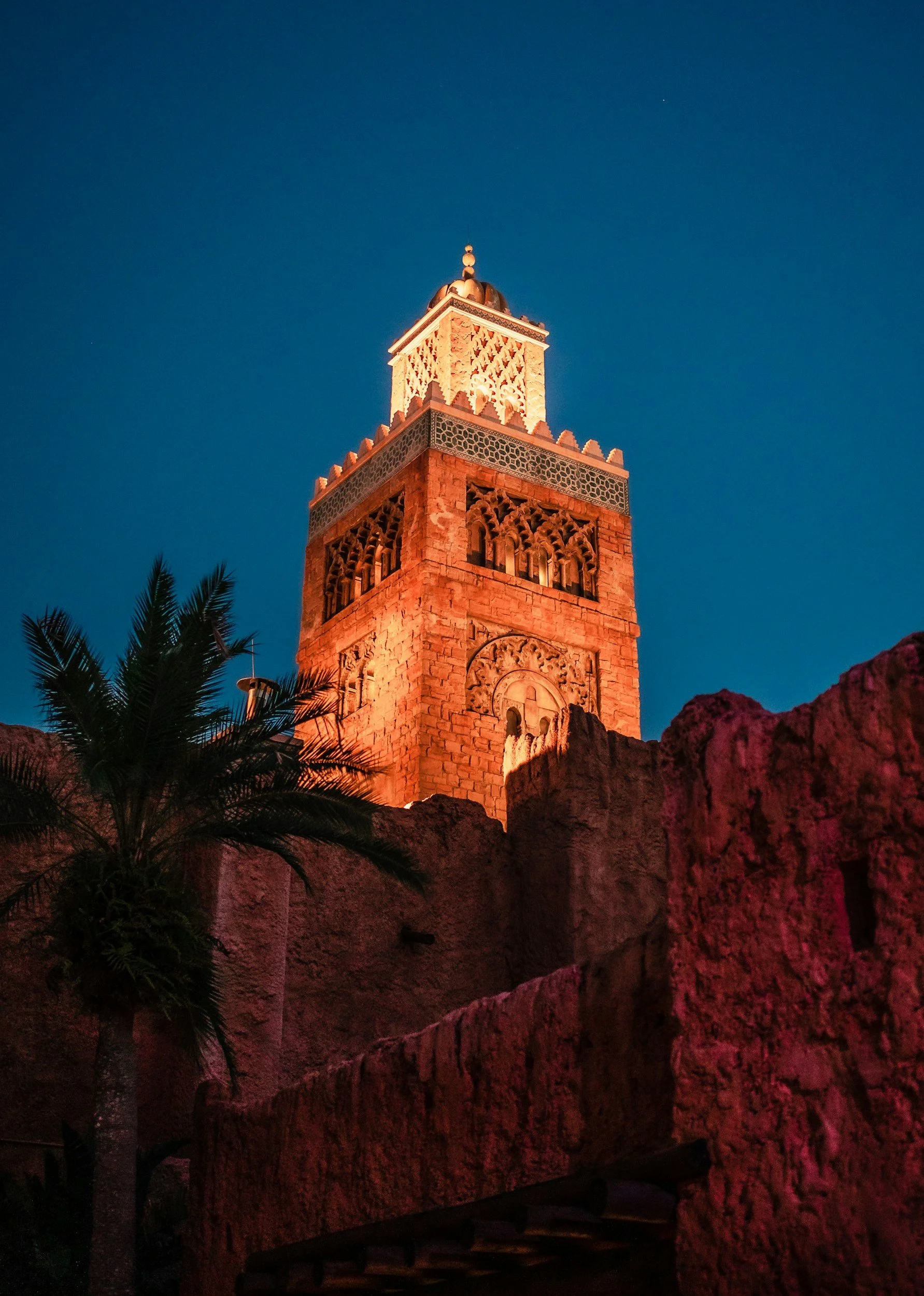
The emergence of Muhammad ibn Tumart and the Almohad movement (al-Muwaḥḥidūn) has often been approached through fragmented lenses: doctrinal radicalism, Berber tribal mobilization, or charismatic reform. Such readings, while partially valid, tend to isolate the phenomenon from the deeper transformation of authority taking place in the western Islamic world during the late 5th/11th and early 6th/12th centuries. This article adopts a different perspective. It situates Ibn Tūmart's Mahdist daʿwa within a moment of reconfiguration (taḥawwul) in Islamic legitimacy, when inherited forms of sovereignty were no longer sufficient to command unquestioned obedience…
The arrival of the ṭarīqa in Morocco was not simply a spiritual renewal but a political technology used to manage legitimacy crises that dynastic power could not resolve. When the Marinids consolidated Morocco in 668/1269, they inherited a society shaped by Almohad Mahdism rooted in Idrīsī genealogy and Ahl al-Bayt theology. The Marinids lacked these foundations: they were Zanāta Berbers without Ṣanhāja, Maṣmūda, or sharīfian capital. Their dilemma was structural—how to rule a population trained to recognize authority through blood, baraka, and Muhammadan continuity…